The History of the Gaucho: The Origins of Brazilian BBQ
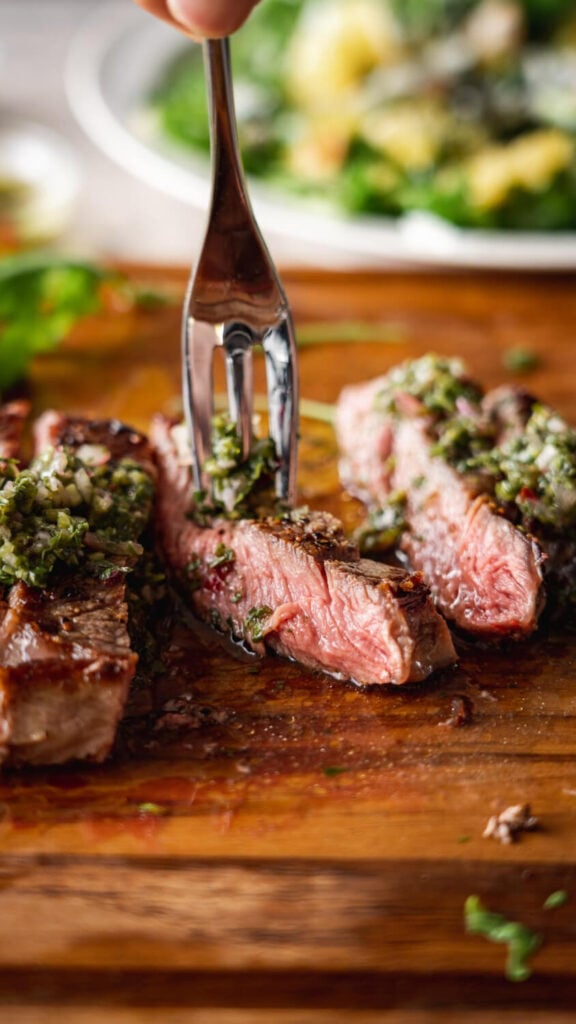
The story of Brazilian BBQ is much more than the sizzling aroma of fire-kissed meats arriving at your table. It’s a history built on tradition, survival, community, and the proud culture of Brazil’s early cowboys known as gauchos. These skilled horsemen shaped the flavors, techniques, and rituals that today define the churrasco experience enjoyed across the United States at Brazilian steakhouses like BR77 Steakhouse.
Understanding the origins of Brazilian BBQ helps every guest appreciate the authenticity behind each skewer. From the Pampas grasslands to modern rodizio dining, this guide explores how the gaucho lifestyle gave birth to one of the world’s most beloved culinary traditions.
The Gaucho and the Birth of Churrasco
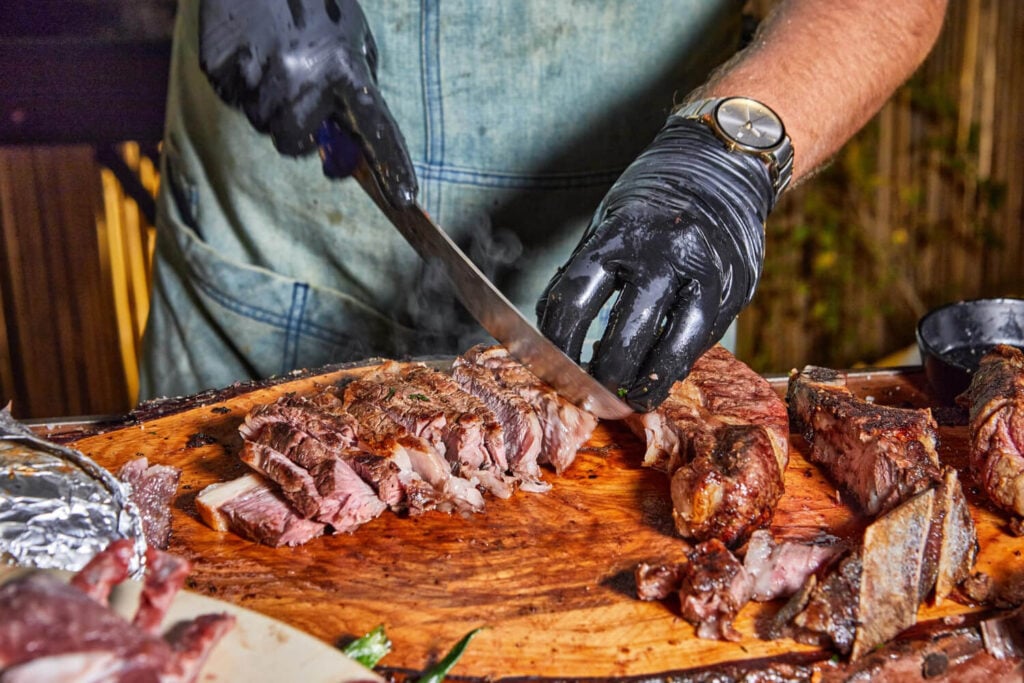
To understand churrasco, you first need to understand the gaucho. Long before Brazilian steakhouses appeared in the U.S., the gaucho roamed the expansive Pampas region across southern Brazil, Argentina, and Uruguay. These open plains were ideal for cattle ranching and became the natural home for a lifestyle built around freedom, horseback skills, and a deep connection to the land.
Gauchos lived mostly outdoors, spending long periods herding cattle and traveling across the plains. Their meals had to be simple, resourceful, and satisfying. They relied on what they had available: fresh beef, firewood, coarse salt, and time. This necessity shaped the earliest form of churrasco, where large cuts of meat were skewered onto wooden stakes, seasoned lightly, and slowly cooked over open flames.
This primal cooking method became central to gaucho culture. The fire was not only a place to prepare food but also a gathering spot for sharing stories, building camaraderie, and forming community. These early techniques are the foundation of the grilling style that today’s churrascarias work tirelessly to preserve. What began as a practical way to feed cowboys evolved into a cherished Brazilian culinary art.
The simplicity of the gaucho approach remains one of the most admired features of churrasco. The focus is on the quality of the meat, the purity of the seasoning, and the natural flame that brings out soulful, authentic flavor. At its core, churrasco is a tribute to the gaucho’s resourcefulness and respect for the ingredients they had available.
Life on the Pampas: How the Gaucho Defined a Culture
The Pampas shaped the gaucho, and the gaucho shaped Brazilian BBQ. These vast grasslands created a rhythm of life built around cattle, open skies, and constant movement. The gaucho lifestyle eventually became legendary, inspiring music, literature, and a national sense of pride throughout Southern Brazil.
Gauchos were known for their independence, bravery, and exceptional horsemanship. Their days consisted of herding cattle, protecting land, and navigating unpredictable weather. At night, they gathered around the fire to cook what they had harvested from the day’s work. This intimacy with nature influenced the earliest philosophy behind Brazilian grilling techniques.
Meals were social, unhurried, and centered around the fire. Everyone shared from the same skewers, slicing pieces directly as the meat reached the perfect point of tenderness. This communal experience echoes in the rodizio tradition used today, where guests enjoy continuous servings carved tableside.
The gaucho’s environment also influenced the kinds of meats and preparations still found in churrascarias. Cuts like picanha, ribs, and flank steaks became staples because they were accessible and cooked beautifully over long, controlled fire. This connection between resourcefulness and flavor remains a signature trait of Brazilian BBQ.
Even the way gauchos carried their knives and sharpened their blades became part of the ritual. Precision and care were essential, ensuring every slice revealed the meat’s best texture. This heritage lives on in the way gaucho chefs carve with skill and confidence inside modern steakhouses.
Today’s diners might enjoy churrasco in a polished, urban setting, but the essence of the gaucho remains rooted in every skewer: the respect for the ingredient, the celebration of simplicity, and the brilliance of open flame cooking.
How Churrasco Evolved from Cowboy Tradition to Brazilian Icon

As communities formed and cities developed across Southern Brazil, churrasco transformed from a cowboy survival method into a celebrated regional cuisine. Social gatherings, local festivals, and family events began featuring skewered meats cooked over open fires. The simplicity that defined gaucho cooking became a source of pride, symbolizing hospitality and abundance.
In the nineteenth and twentieth centuries, churrasco traditions spread beyond rural Pampas communities to more populated areas. Innovative grilling techniques emerged, metal skewers replaced wooden stakes, and new cuts were added to the rotation. Families built custom grills and hosted outdoor feasts centered around fire and fellowship.
By the mid-1900s, Brazil began seeing the rise of dedicated churrascarias. These restaurants brought the gaucho’s open fire techniques indoors while maintaining the heart of the tradition. Skilled servers roamed the dining room carrying skewers, carving meat directly onto guests’ plates. This became known as rodizio service, a dining style that embodies both abundance and personalization.
The popularity of churrascarias quickly expanded across Brazil, becoming a beloved part of national food culture. Each region added its own influences while staying faithful to the fundamentals the gauchos had started. Slowly but inevitably, churrasco began making its way beyond Brazil’s borders.
In the late twentieth century, Brazilian immigrants introduced churrasco to new audiences throughout the United States. American diners embraced the bold flavors, interactive format, and the distinct charm of rodizio. Today, restaurants like BR77 Steakhouse continue the mission of sharing this authentic tradition with guests seeking high quality, culturally rich dining experiences.
The evolution of churrasco demonstrates its timeless appeal. Despite modernization, the spirit of the gaucho remains at its core, preserving the values of simplicity, craftsmanship, and shared enjoyment.
The Influence of Gaucho Techniques on Modern Brazilian Steakhouses
Walk into a Brazilian steakhouse today and you’ll immediately notice elements that trace directly back to gaucho heritage. The skewers carried by gaucho chefs, the slow grilling over charcoal or open flames, and the tableside carving are all inspired by traditions established centuries ago on the Pampas.
Modern churrascarias have refined these techniques into a polished dining experience. At BR77 Steakhouse, the grilling process is more precise than ever, using premium meats, controlled heat, and expertise guided by years of training. Yet the foundation remains the same as it was for the gauchos: simple seasonings, mastery of the fire, and unwavering respect for the ingredient.
The carving method used in rodizio service is also rooted in gaucho tradition. Gauchos learned to slice meat directly from the skewer to preserve temperature and texture. This not only ensured freshness but also allowed each person to enjoy meat at the exact point where it was most flavorful. This same technique is performed today with accuracy and elegance.
Even the warm, hospitable environment of a churrascaria reflects gaucho spirit. Gauchos were known for welcoming travelers, sharing meals, and creating community around the fire. Brazilian steakhouses embrace these values by offering attentive service, generous portions, and an atmosphere where guests feel at home.
Another lasting influence is the emphasis on premium cuts. Gauchos prized certain parts of the cattle for their tenderness and flavor. Cuts like picanha, top sirloin, and ribs became core elements of churrasco. Their popularity has carried over to U.S. diners who now recognize these cuts as signatures of Brazilian BBQ.
While today’s steakhouses incorporate modern culinary techniques, their heart remains tethered to gaucho traditions that celebrate flavor, fire, and connection.
Why Understanding Gaucho History Enhances the Rodizio Experience

Enjoying churrasco is even more meaningful when you understand where it comes from. The story of the gaucho reveals that churrasco is not simply a cooking technique. It is a cultural expression, shaped by history, landscape, and the communities that embraced it.
Knowing the roots of Brazilian BBQ enriches every moment of the rodizio experience. When a gaucho chef approaches your table with a sizzling skewer, you’re witnessing a modern echo of traditions that began centuries ago. Each slice tells a story of resilience, craft, and cultural pride.
Understanding the gaucho legacy also helps guests appreciate why churrasco prioritizes quality and simplicity. The gaucho approach favored natural ingredients and honest cooking. Those values remain essential to Brazilian BBQ, even in the most upscale dining environments.
The connection between fire, storytelling, and community is another part of the heritage that continues today. Whether you’re dining with family or celebrating a special moment, churrasco brings people together in a way that reflects the communal meals once shared on the Pampas.
This is why rodizio dining resonates so strongly with American guests. It offers not just exceptional food but an immersive cultural experience. It blends tradition with modern hospitality, creating something both timeless and exciting.
When you savor a slice of perfectly grilled picanha at BR77 Steakhouse, you’re participating in a piece of Brazilian history brought to life through flavor, craftsmanship, and a deep sense of identity.
Conclusion
The history of the gaucho is inseparable from the story of Brazilian BBQ. This resilient cowboy culture transformed simple ingredients and natural resources into a rich culinary tradition that continues to thrive around the world. From the open fields of the Pampas to elegant rodizio dining rooms across the United States, the spirit of the gaucho endures in every skewer, every slice, and every shared moment around the table.
Understanding this heritage adds depth to the churrasco experience, reminding us that great food is often rooted in the lives and stories of the people who created it. BR77 Steakhouse honors this legacy by preserving authentic techniques and delivering a dining experience that pays tribute to those who first mastered the art of fire and flavor.
Discover More Flavor with BR77 Steakhouse
Keep exploring our exclusive insights into Brazilian-style dining, grilling traditions and the unique flavors that make BR77 Steakhouse a true experience. Dive deeper into our blog and elevate your next visit.
FAQ
What exactly is a gaucho in Brazilian culture?
A gaucho is a traditional South American cowboy known for horsemanship, cattle ranching, and open fire cooking. Their lifestyle shaped the origins of Brazilian BBQ.
How did gauchos influence modern churrasco?
Gauchos developed early grilling methods using skewers, coarse salt, and open flames. These techniques became the foundation of today’s Brazilian BBQ and rodizio service.
Why is picanha so strongly connected to gaucho tradition?
Picanha was a favorite cut among gauchos due to its tenderness and rich flavor. Its simplicity and compatibility with open flame grilling helped make it a signature element of churrasco.