The Evolution of Steakhouse Dining in the U.S.
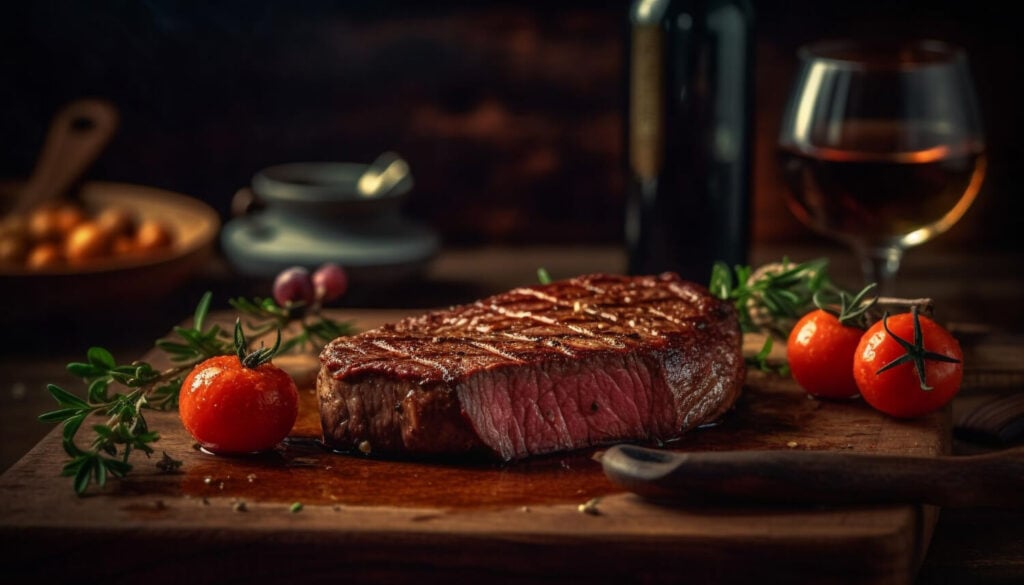
Steakhouses have long held a special place in American dining culture. From old-school grill houses serving thick cuts in dimly lit rooms to modern, experience-driven restaurants, the steakhouse concept has undergone a remarkable transformation.
Today’s diners are not just looking for great meat. They want atmosphere, transparency, personalization, and control over their dining pace. This shift has reshaped how steakhouses design their menus, service styles, and dining environments.
Understanding the evolution of steakhouse dining in the U.S. helps explain why innovative concepts like BR77 Steakhouse are redefining what a premium steak experience can feel like.
What You Need to Know
The Classic American Steakhouse Era
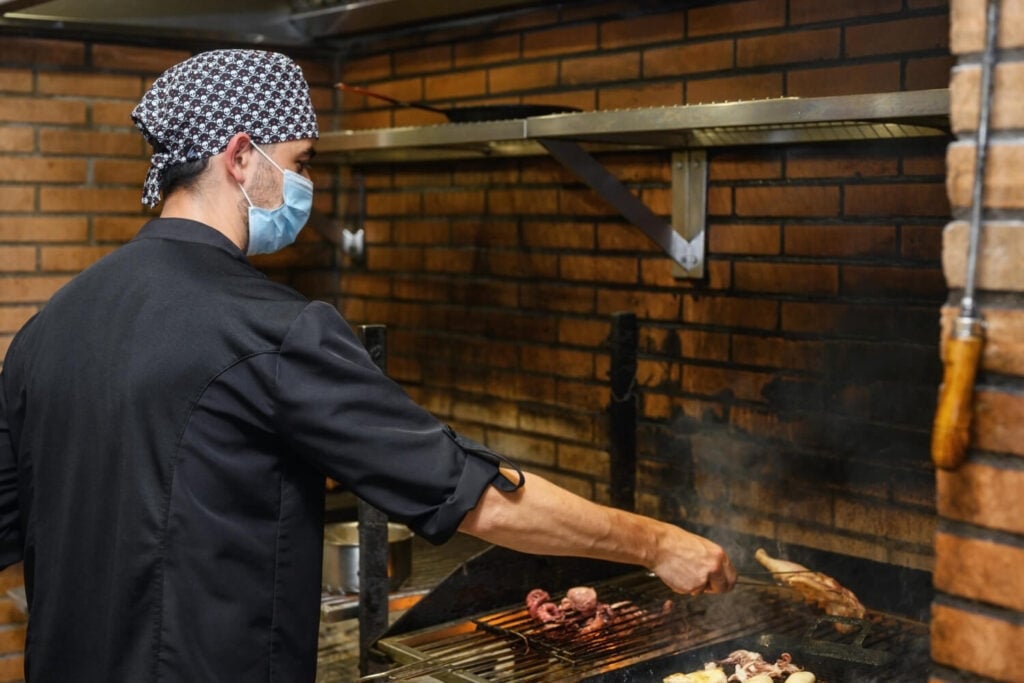
The traditional American steakhouse began gaining popularity in the late 19th and early 20th centuries. These restaurants were built around a simple promise: high-quality beef cooked over intense heat.
Typical characteristics included:
• Dark wood interiors and formal ambience
• Large individual steak portions
• Tableside service with a focus on luxury
• Limited menu variety beyond beef and classic sides
Dining was often structured and somewhat formal. Guests ordered once, waited for their plate, and experienced the meal in a predictable sequence.
This model dominated for decades and still holds nostalgic appeal today.
The Rise of Casual and High-Volume Steak Dining
As American lifestyles became faster and more social in the late 20th century, steakhouses began adapting.
New formats emerged that prioritized:
• Faster service
• More affordable pricing
• Family-friendly environments
• Expanded menus with chicken, seafood, and salads
This era introduced steakhouse chains and helped make premium cuts more accessible to a wider audience. However, the experience often became less personalized.
While efficiency improved, the sense of craftsmanship and interaction sometimes diminished.
Brazilian Churrasco Changes the Game
One of the most influential shifts in American steakhouse dining came with the arrival of Brazilian churrascaria concepts.
Rodizio-style service introduced something entirely new:
• Continuous meat service
• Multiple cuts offered throughout the meal
• A strong social dining atmosphere
• Greater variety and perceived value
Guests were no longer limited to a single steak choice. Instead, they could explore different flavors and textures during one visit.
This format emphasized abundance, excitement, and discovery. It quickly became popular in major U.S. cities and tourist destinations.
Modern Diners Want More Control
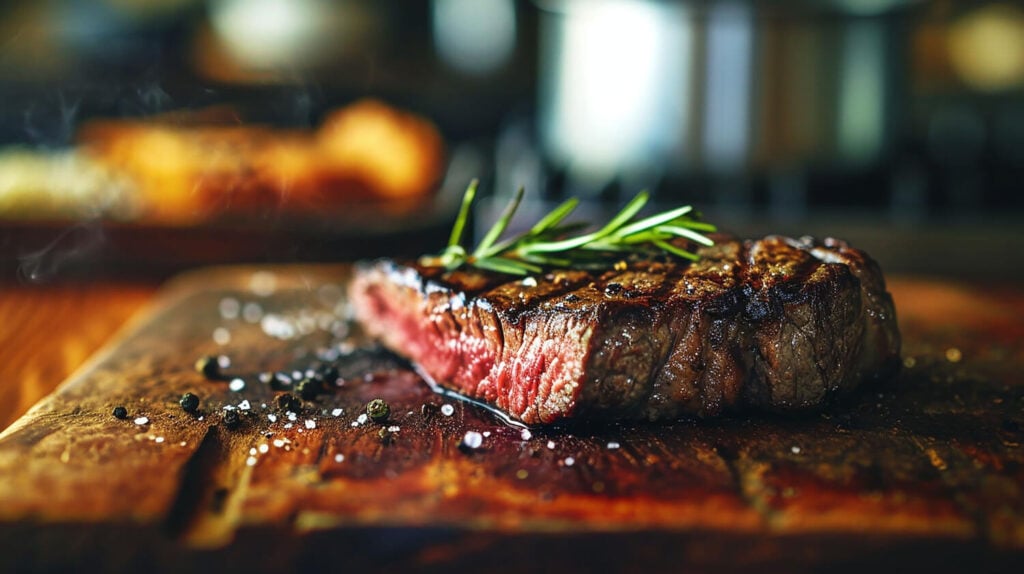
While rodizio dining created a dynamic experience, modern guests began expressing new preferences.
Today’s steakhouse visitors increasingly value:
• Control over pacing
• Freedom from constant interruptions
• Freshly prepared portions at the right moment
• Transparency in food preparation
• Comfortable, flexible dining environments
These expectations have pushed steakhouses to rethink traditional service models.
At BR77 Steakhouse, the evolution continues with a guest-driven approach. Instead of circulating servers offering meat continuously, diners approach the grill themselves when they feel ready. This allows for a smoother flow and more intentional dining experience.
The Buffet and Grill Integration Trend
Another important innovation in modern steakhouse design is the integration of a gourmet buffet with the live grill.
This concept offers several advantages:
• Guests can balance heavy protein with fresh salads and hot dishes
• Visual exposure to food increases appetite and engagement
• Dining becomes more interactive
• Service pressure is reduced
At BR77, the grill’s proximity to the buffet creates a natural dining rhythm. Guests move comfortably between the table and serving areas, choosing exactly what they want at their own pace.
This layout supports both variety and autonomy.
Open-Kitchen Concepts Redefine Trust and Experience
Transparency has become a key expectation in contemporary dining.
Open-kitchen steakhouses allow guests to:
• See the quality of ingredients
• Observe grilling techniques
• Feel confident about freshness
• Engage more deeply with the culinary process
This visibility enhances perceived value and creates a stronger emotional connection to the meal. At BR77, the open grill environment is not just a design feature. It is central to the restaurant’s identity and hospitality philosophy.
Weekend Brunch Expands Steakhouse Appeal

Modern steakhouses are also diversifying their service offerings to attract broader audiences.
Weekend brunch is a growing trend that blends traditional steakhouse strengths with daytime dining culture.
At BR77, brunch includes:
• Buffet selections with salads and hot dishes
• Breakfast-inspired items like scrambled eggs and croissants
• A brighter, more relaxed daytime ambience
• The same guest-controlled approach to service This evolution reflects changing consumer habits. Guests now seek versatile dining destinations suitable for celebrations, casual outings, and social gatherings.
Hospitality Becomes the True Differentiator
In the past, portion size and meat quality were the primary steakhouse selling points.
Today, hospitality and overall experience play an equally important role.
Restaurants that succeed in the modern landscape focus on:
• Guest autonomy
• Comfortable pacing
• Atmosphere and ambience
• Service consistency
• Memorable interactions
BR77’s model aligns with these priorities by removing unnecessary interruptions and placing the dining rhythm in the hands of the guest.
This shift represents the next stage in steakhouse evolution.
The Future of Steakhouse Dining
Looking ahead, several trends are likely to shape the next generation of steakhouses in the U.S.:
• Increased personalization of service
• Greater transparency in sourcing and preparation
• Hybrid dining formats combining buffet, grill, and table service
• Experience-driven restaurant design
• Expanded menus accommodating diverse dietary preferences
Steakhouses are no longer just places to eat meat. They are becoming immersive culinary environments.
Concepts that balance tradition with innovation will continue to define the industry’s future.
Conclusion
From formal grill houses to dynamic churrasco experiences and now to guest-controlled dining environments, steakhouse culture in the United States has evolved dramatically.
Modern diners expect more than great steak. They want freedom, freshness, comfort, and authenticity. Restaurants that understand these expectations are shaping the next chapter of steakhouse dining.
At BR77 Steakhouse, the integration of open-kitchen transparency, buffet variety, and self-paced grill service reflects this evolution perfectly. It is a model designed not just for today’s diners, but for the future of the steakhouse experience.
Discover More Flavor with BR77 Steakhouse
Discover More Flavor with BR77 Steakhouse
Discover More Flavor with BR77 Steakhouse
Keep exploring our exclusive insights into Brazilian-style dining, grilling traditions and the unique flavors that make BR77 Steakhouse a true experience. Dive deeper into our blog and elevate your next visit.
How did Brazilian steakhouses influence dining in the U.S.?
They introduced rodizio-style service, offering multiple cuts continuously and creating a more social, abundant dining experience.
Why are modern steakhouses focusing on guest control?
Today’s diners value flexibility and uninterrupted conversations, making self-paced service models more appealing.
What trends are shaping the future of steakhouses?
Personalized service, open kitchens, buffet integration, brunch offerings, and experience-focused design are key trends influencing the industry.