The Influence of Fire Type on Steakhouse Cooking Techniques
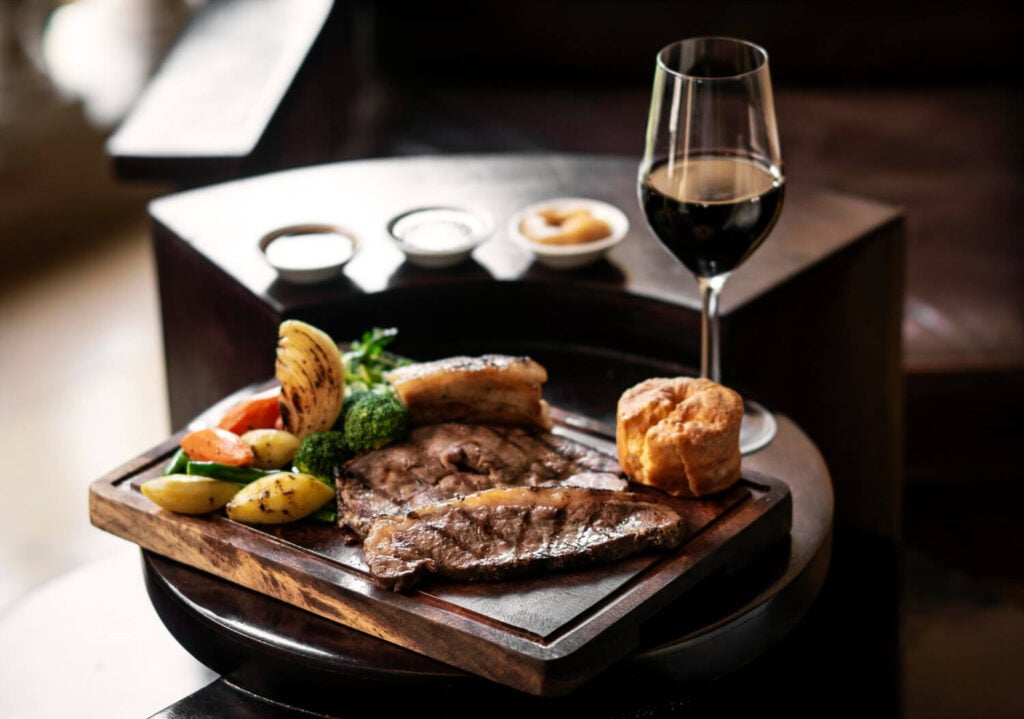
Fire is the heart of steakhouse cooking.
The type of fire used to grill meat directly influences flavor, texture, and cooking precision. Whether using charcoal, gas, wood, or mixed heat sources, each method produces unique results. Professional steakhouses carefully choose their fire technique to balance consistency and taste.
At BR77 Steakhouse, the open grill positioned near the buffet allows guests to observe live cooking while benefiting from fresh preparation and controlled timing. Understanding how fire type affects steakhouse cooking reveals why this choice plays a major role in the dining experience.
What You Need to Know
Charcoal Fire: Intense Heat and Classic Flavor
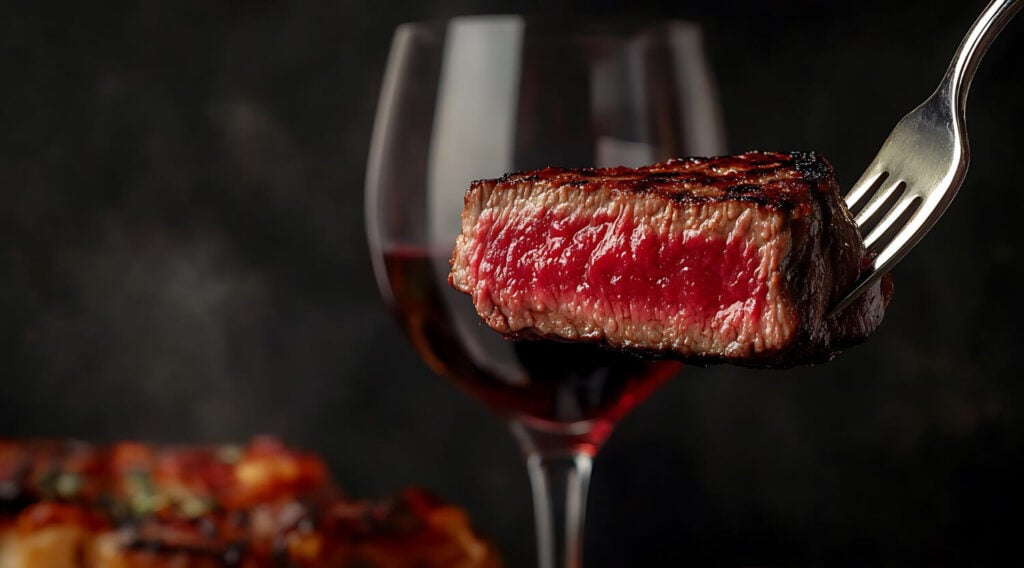
Charcoal grilling is often associated with traditional steakhouse flavor.
This method produces high heat and subtle smoky notes that enhance beef’s natural taste. Charcoal also allows strong crust development, which contributes to texture contrast.
Advantages of charcoal fire include:
• High searing temperature
• Light smoky aroma
• Strong crust formation
• Authentic grilling experience However, charcoal requires careful heat management to maintain consistency.
Wood Fire: Aromatic Complexity
Wood-fired grilling adds another layer of flavor.
Different types of wood can produce varying aroma profiles, creating a more complex sensory experience. Wood fire tends to burn unevenly, which requires skillful temperature control.
Benefits of wood fire include:
• Distinct aroma infusion
• Natural smoke flavor
• Rustic presentation
• Enhanced sensory appeal
Because wood fire fluctuates, precise timing becomes even more important.
Gas Fire: Precision and Control
Gas grills are valued for consistency.
They provide stable temperature control, making it easier to reproduce doneness levels night after night. While gas produces less smoke, it allows cooks to focus on texture and moisture retention.
Gas fire advantages include:
• Predictable heat levels
• Faster temperature adjustment
• Consistent cooking results
• Efficient service during busy periods
Many modern steakhouses combine gas precision with other heat sources.
Mixed Fire Techniques
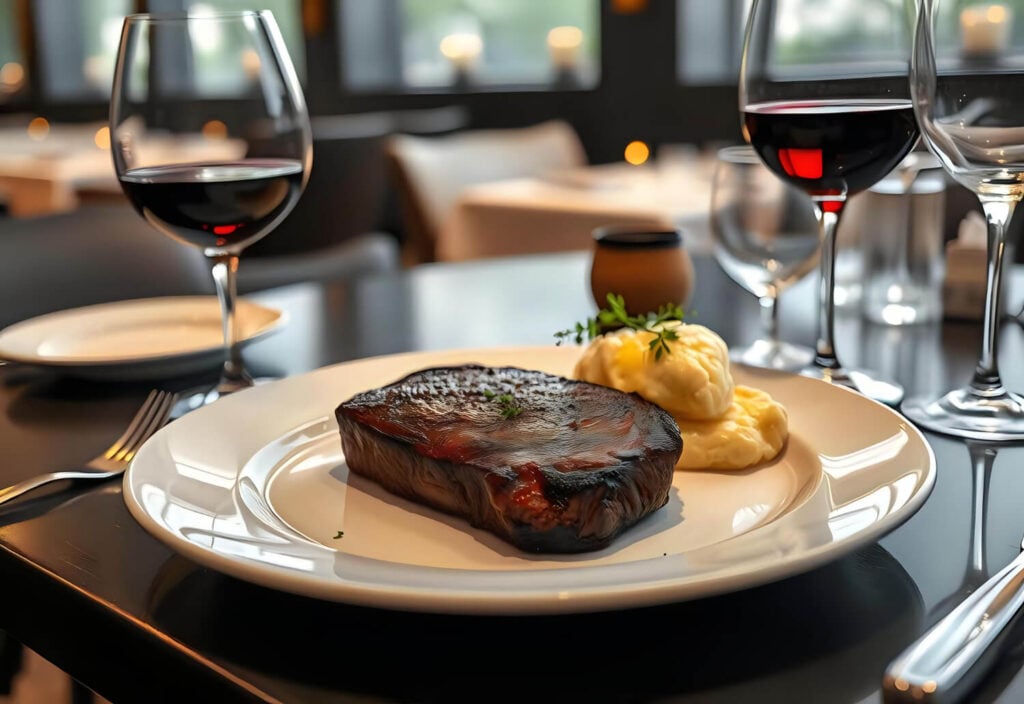
Some professional kitchens use hybrid methods.
Combining charcoal or wood with controlled heat sources allows restaurants to balance flavor and consistency. For example, steaks may be seared over intense flame and finished in a controlled heat zone.
This approach supports:
• Better crust development
• Controlled internal cooking
• Consistent doneness
• Enhanced flavor depth
Hybrid fire techniques are common in premium steakhouse environments.
Fire Intensity and Steak Texture
Fire type influences texture as much as flavor.
High-intensity heat creates:
• Crisp exterior
• Juicy interior
• Faster searing
• Better moisture retention
Lower or uneven heat can lead to:
• Reduced crust formation
• Longer cooking time
• Potential moisture loss
Professional steakhouses manage fire zones to optimize texture.
Visual Experience of Live Fire
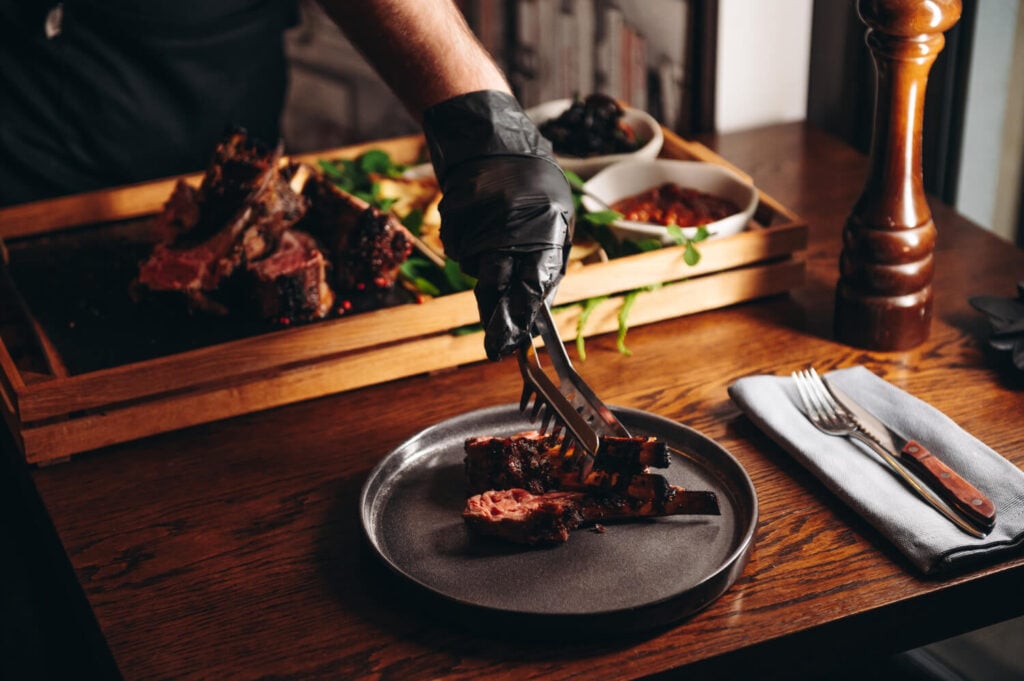
Open flame cooking enhances the dining atmosphere.
Seeing meat grilled over fire creates anticipation and reinforces freshness. The sound, aroma, and visual movement of flames contribute to a multisensory experience.
At BR77, the open grill allows guests to interact with this visual element without interrupting their dining rhythm. This balance adds excitement while maintaining comfort.
Fire becomes part of the experience.
Choosing the Right Fire for Consistency
Consistency is a priority in premium steakhouses.
The chosen fire type must support:
• Reliable doneness
• Efficient service flow
• Balanced flavor
• Repeatable results
Restaurants often select fire techniques that match their service model and guest expectations.
By combining fresh grilling with guest-controlled timing, BR77 ensures that fire-based cooking remains consistent and enjoyable.
Conclusion
The type of fire used in steakhouse cooking plays a crucial role in flavor, texture, and consistency. Charcoal offers bold searing, wood adds aromatic complexity, and gas provides precision. Hybrid approaches combine these strengths.
Through live grilling and controlled serving flow, BR77 Steakhouse highlights the advantages of fire-based cooking while maintaining reliability. This balance enhances both taste and experience. In premium steakhouses, fire is more than heat. It is a defining element of quality.
Discover More Flavor with BR77 Steakhouse
Discover More Flavor with BR77 Steakhouse
Discover More Flavor with BR77 Steakhouse
Keep exploring our exclusive insights into Brazilian-style dining, grilling traditions and the unique flavors that make BR77 Steakhouse a true experience. Dive deeper into our blog and elevate your next visit.
Does charcoal make steak taste better?
Charcoal adds subtle smoky flavor and helps create a strong crust, enhancing taste.
Why do some steakhouses use gas grills?
Gas provides consistent heat control, which improves reliability and cooking precision.
What is wood-fired steak known for?
Wood fire adds aromatic complexity and a distinctive smoky profile.