Brazilian Cheese Bread (Pão de Queijo): The Gluten-Free Snack Everyone Loves.

Few foods manage to feel comforting, indulgent, and universally loved all at once. Brazilian cheese bread, known as pão de queijo, does exactly that. Small, golden, and irresistibly chewy, this iconic Brazilian snack has quietly conquered breakfast tables, bakeries, and restaurant menus far beyond Brazil’s borders.
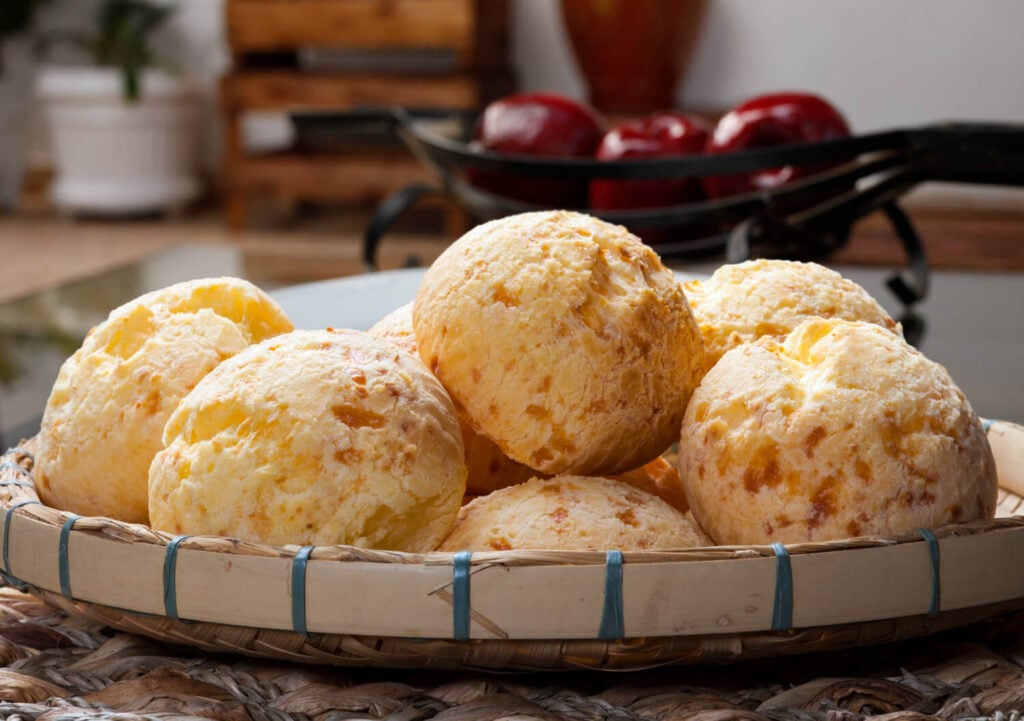
For many Americans discovering Brazilian cuisine, pão de queijo is often the first bite that sparks curiosity. Warm from the oven, crisp on the outside, and soft with a stretchy, cheesy center, it feels familiar yet completely unique. Add to that the fact that it is naturally gluten-free, and it becomes even more appealing to modern diners.
This article explores what pão de queijo really is, where it comes from, why it has such a devoted following, and how it fits into Brazilian food culture. More than a snack, it is a symbol of comfort, hospitality, and simple culinary brilliance.
The Origins of Pão de Queijo in Brazilian History
The story of pão de queijo begins in Brazil’s countryside, long before it became a global favorite. Its roots are closely tied to the state of Minas Gerais, a region known for dairy production, rustic cooking, and deeply comforting food traditions.
During colonial times, wheat flour was scarce and expensive in Brazil. Enslaved Africans and rural communities turned to cassava, a native root that had long been used by Indigenous populations. Cassava was transformed into tapioca flour, which became a foundational ingredient in Brazilian cooking.
Cheese entered the picture later, as dairy farming expanded in Minas Gerais. Local cheeses, firm, salty, and full of character, were incorporated into simple doughs made with tapioca flour, eggs, and milk. The result was a small baked roll that puffed beautifully in the oven and delivered an unexpected chew.
Originally, pão de queijo was a homemade staple, baked fresh in rural kitchens and served to family and visitors. Over time, its popularity spread from farms to cities, from breakfast tables to cafés, and eventually to restaurants across Brazil.
What makes this origin story special is its simplicity. Pão de queijo was never designed to be fancy. It was born from resourcefulness and local ingredients, which is precisely why it feels so authentic and comforting today.
What Makes Pão de Queijo Naturally Gluten-Free
One of the most remarkable aspects of Brazilian cheese bread is that it is naturally gluten-free, not by trend or adaptation, but by tradition.
Instead of wheat flour, pão de queijo relies on tapioca flour, also known as cassava starch. This ingredient behaves very differently from wheat. When baked, it creates a dough that is elastic rather than crumbly, resulting in the signature chewy texture that defines pão de queijo.
This unique structure allows the bread to puff and stretch without gluten. The interior becomes slightly hollow, soft, and moist, while the exterior forms a delicate crust. It is a texture that surprises first-time diners and keeps them coming back.
For modern audiences, especially in the United States, this natural gluten-free quality adds to its appeal. Guests with dietary sensitivities can enjoy pão de queijo without compromise, while those without restrictions simply enjoy it because it tastes good.
Unlike many gluten-free substitutes that attempt to mimic traditional bread, pão de queijo stands on its own. Its texture and flavor are not replacements. They are the point.
The Key Ingredients That Define Brazilian Cheese Bread

Despite its complex texture, pão de queijo relies on a short list of ingredients. Each one plays a precise role in creating the final result.
Tapioca flour is the backbone. It provides structure, elasticity, and that signature chew. There are different types of tapioca flour used in Brazil, sometimes combined to achieve balance between crispness and softness.
Cheese is the soul of the bread. Traditionally, Brazilian cheeses from Minas Gerais are used, offering saltiness and depth. Outside Brazil, variations may use cheeses like Parmesan or similar aged cheeses to recreate that flavor profile.
Eggs contribute richness and help bind the dough. Milk or cream adds moisture, while oil or butter enhances tenderness and flavor.
The beauty of pão de queijo lies in this balance. No ingredient dominates. Instead, they work together to create something far greater than the sum of its parts.
When baked properly, the aroma alone signals comfort. The scent of warm cheese and toasted starch fills the room, creating anticipation long before the first bite.
How Pão de Queijo Is Enjoyed in Brazilian Culture
In Brazil, pão de queijo is not reserved for special occasions. It is part of everyday life. You will find it served at breakfast, as an afternoon snack, or alongside coffee at any hour of the day.
At home, it often appears fresh from the oven, enjoyed while still warm. In bakeries and cafés, trays of pão de queijo sit ready, inviting customers to grab one or a dozen. In offices, it becomes a shared treat during breaks. In restaurants, it is offered as a welcoming bite, setting the tone for hospitality.
This versatility is part of its charm. Pão de queijo fits seamlessly into different moments without ever feeling out of place. It can be casual or refined, depending on how it is served.
More importantly, it carries emotional value. For many Brazilians, pão de queijo evokes memories of family kitchens, grandparents, and slow mornings. It represents warmth, generosity, and the joy of sharing food without ceremony.
That emotional connection is something diners feel even if they cannot name it. Comfort, after all, is universal.
Why Pão de Queijo Has Won Over American Diners

As Brazilian cuisine gains visibility in the United States, pão de queijo has emerged as one of its most beloved ambassadors. Its success is no accident.
First, it aligns perfectly with American tastes. Cheese, warm bread, and a satisfying texture are already familiar pleasures. Pão de queijo delivers all of that while introducing something new.
Second, its gluten-free nature resonates with contemporary dining preferences. Guests appreciate that it is inclusive without feeling restrictive.
Third, it offers instant gratification. Unlike complex dishes that require explanation, pão de queijo speaks for itself. One bite is enough to understand why it is special.
In Brazilian steakhouses, pão de queijo often serves as an introduction to the meal. It sets expectations. It tells guests that attention to detail matters, that tradition is respected, and that comfort is part of the experience.
For many diners, it becomes a highlight rather than a side. Something small, perhaps, but deeply memorable.
Pão de Queijo in the Context of Brazilian Steakhouse Dining
Within a Brazilian steakhouse experience, pão de queijo plays a subtle but important role. It bridges the gap between arrival and indulgence, easing guests into the rhythm of the meal.
Served warm, often at the beginning, it prepares the palate without overwhelming it. Its richness complements grilled meats, while its lightness ensures it does not compete with the main attraction.
In this setting, pão de queijo reflects Brazilian hospitality. It is offered generously, without expectation, simply as a gesture of welcome.
At BR77 Steakhouse, details matter. Every element of the dining experience is designed to feel intentional, and pão de queijo fits seamlessly into that philosophy. It represents authenticity, care, and the belief that even the smallest bites deserve attention.
Conclusion
Brazilian cheese bread is proof that greatness often comes from simplicity. With just a few ingredients and centuries of tradition, pão de queijo has earned its place as one of Brazil’s most cherished foods and one of the world’s most loved gluten-free snacks.
Its chewy texture, rich flavor, and comforting warmth make it unforgettable. But beyond taste, it carries culture, history, and emotion in every bite.
Whether enjoyed at home, in a café, or as part of a Brazilian steakhouse experience, pão de queijo invites you to slow down, savor, and feel welcome.
Some foods impress. Others connect. Pão de queijo does both.
Discover More Flavor with BR77 Steakhouse
Keep exploring our exclusive insights into Brazilian-style dining, grilling traditions and the unique flavors that make BR77 Steakhouse a true experience. Dive deeper into our blog and elevate your next visit.
FAQ
Is Brazilian cheese bread always gluten-free?
Yes. Traditional pão de queijo is made with tapioca flour instead of wheat, making it naturally gluten-free.
What does pão de queijo taste like?
It has a mild, cheesy flavor with a crisp exterior and a soft, chewy center that feels rich but not heavy.
Is pão de queijo eaten as a meal or a snack?
It is typically enjoyed as a snack or appetizer, often served with coffee or as a welcoming bite before a meal.