Why Texture Matters: Understanding Mouthfeel in Grilled Meats
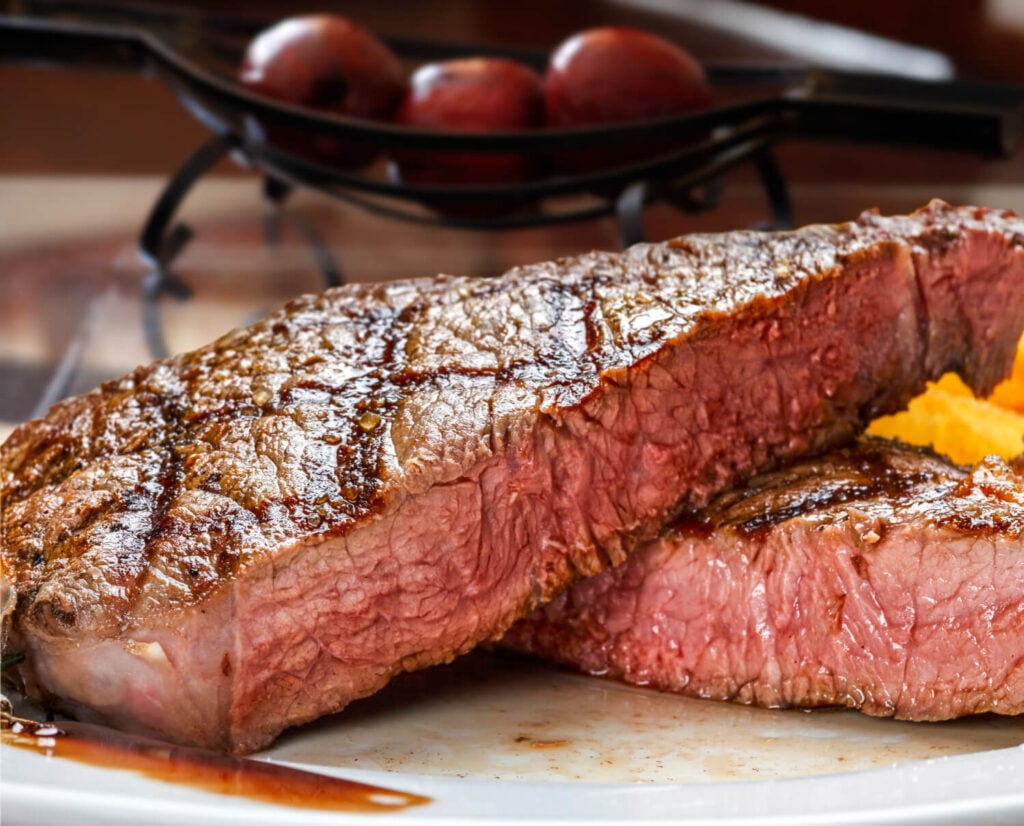
Flavor is often the first thing people think about when evaluating a steak, but texture plays an equally important role.
Mouthfeel influences how satisfying each bite feels, how long flavors linger, and whether a steak is perceived as premium. Tenderness, juiciness, and chewiness all combine to create the overall texture experience.
In premium steakhouses, texture is carefully controlled through proper butchery, cooking precision, and serving timing. At BR77 Steakhouse, fresh grilling combined with guest-controlled selection helps ensure that meats are enjoyed at their optimal texture.
Understanding mouthfeel in grilled meats explains why texture is a defining element of quality.
What You Need to Know
What Is Mouthfeel in Grilled Meats
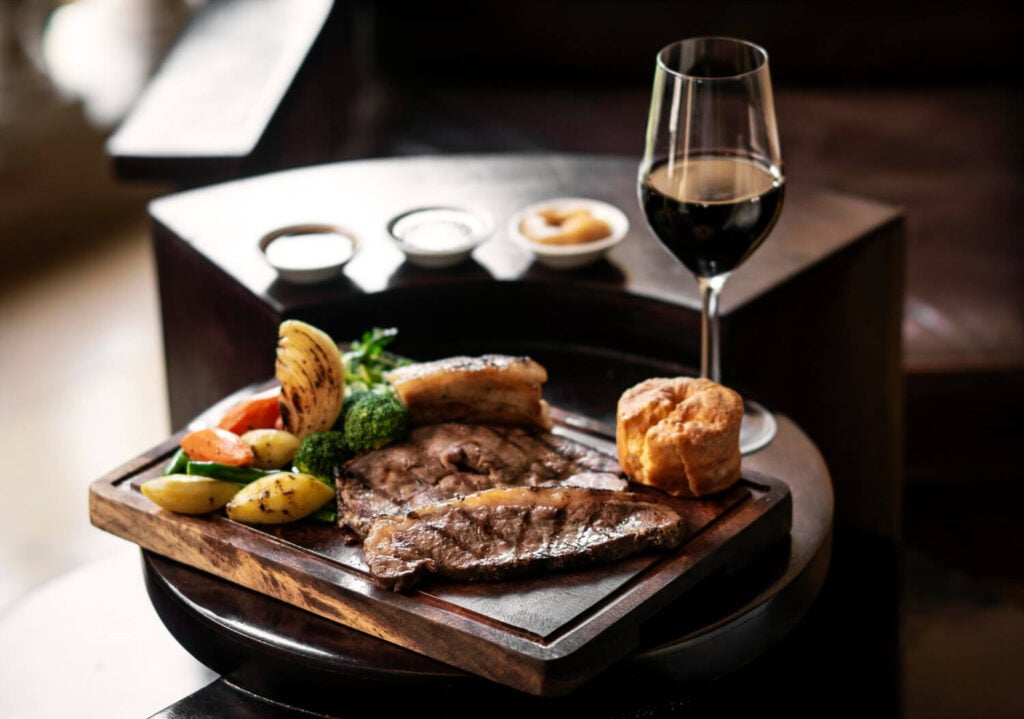
Mouthfeel refers to how food physically feels when eaten.
For grilled meats, this includes:
• Tenderness when biting
• Juiciness during chewing
• Surface crispness from the grill
• Smoothness or firmness of fibers
• Fat melt and coating sensation
These elements combine to create the sensory impression that diners associate with a high-quality steak.
A balanced mouthfeel makes the experience more memorable.
Tenderness and Muscle Fiber Structure
Tenderness is one of the most noticeable texture characteristics.
It depends on factors such as:
• Cut of meat
• Direction of slicing
• Marbling level
• Cooking temperature
• Resting time
When muscle fibers are properly cut and cooked, they break down more easily, resulting in a softer bite. Overcooking, however, tightens fibers and creates a firmer texture.
Maintaining proper doneness helps preserve tenderness.
Juiciness Enhances Mouthfeel
Juiciness contributes significantly to perceived quality.
When a steak retains moisture, each bite releases flavor and creates a satisfying texture. Juiciness is influenced by:
• Steak thickness
• Cooking temperature control
• Resting after grilling
• Fat content and marbling
At BR77, guests selecting cuts directly from the grill benefit from meat served at peak juiciness, which enhances mouthfeel.
Dry steaks often feel tougher and less flavorful.
The Importance of Surface Contrast
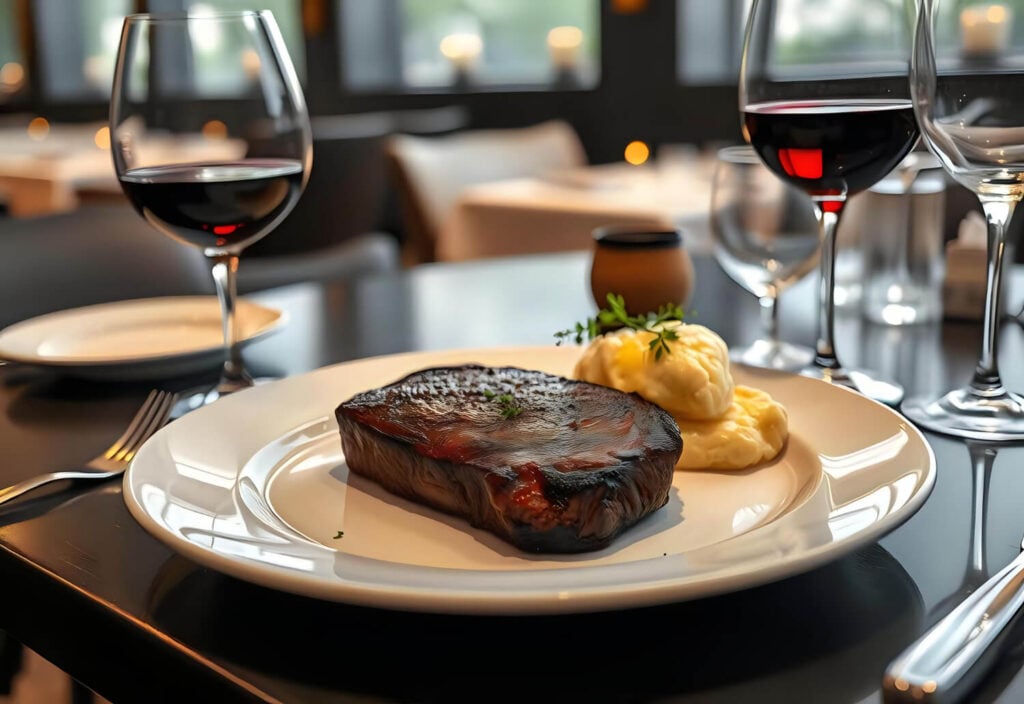
A premium grilled steak often features contrast between exterior and interior textures.
This includes:
• Slightly crisp crust
• Tender interior
• Juicy center
• Light resistance when biting
This contrast adds complexity and keeps each bite interesting. Without it, texture may feel flat or uniform.
Proper grilling technique is essential to achieving this balance.
Fat and Marbling Influence Texture
Fat plays a key role in mouthfeel.
As marbling melts during cooking, it lubricates muscle fibers and creates a smoother texture. This contributes to:
• Softer chew
• Enhanced juiciness
• Richer sensation
• Longer flavor persistence
Cuts with balanced marbling often deliver the most satisfying mouthfeel.
Excess fat, however, can overwhelm texture if not properly trimmed.
Timing and Serving Moment
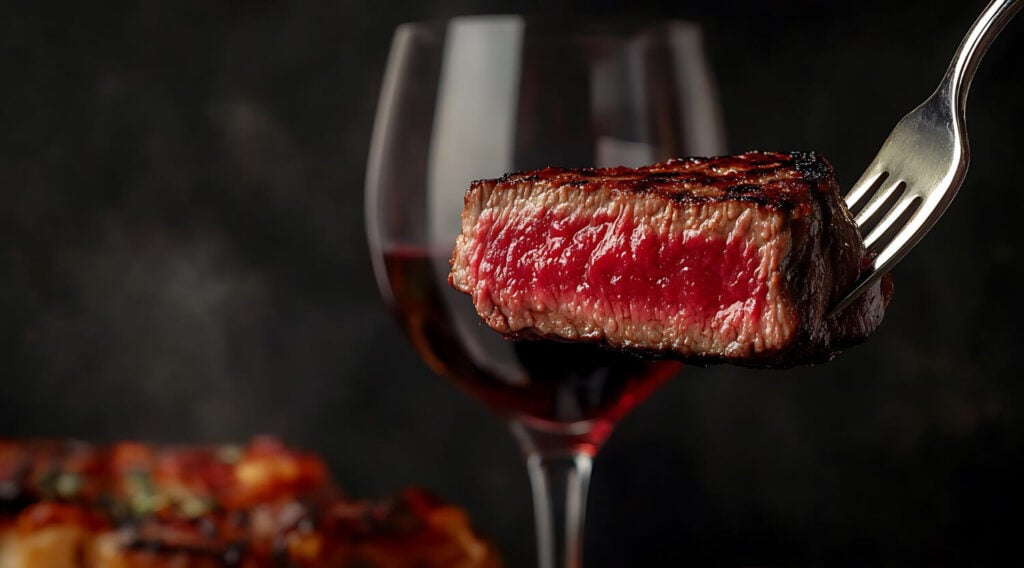
Texture changes quickly after cooking.
If steak sits too long, juices redistribute unevenly and the surface may soften. Serving meat at the right moment preserves ideal mouthfeel.
At BR77, guests control when they approach the grill, allowing them to choose cuts at peak texture. This flexibility helps maintain consistency in the dining experience.
Freshness directly impacts mouthfeel.
Why Texture Shapes Overall Satisfaction
Texture influences how diners perceive quality even more than they realize.
A well-textured steak feels:
• More premium
• More satisfying
• Easier to eat
• More flavorful
When tenderness, juiciness, and crust balance correctly, the entire experience improves.
This is why premium steakhouses prioritize texture alongside flavor.
Conclusion
Texture and mouthfeel are essential components of grilled meat quality. Tenderness, juiciness, surface contrast, and marbling all work together to create a satisfying bite.
Through careful preparation, precise grilling, and guest-controlled serving, BR77 Steakhouse helps ensure meats are enjoyed at their ideal texture. This attention to mouthfeel enhances both comfort and flavor.
In premium steakhouse dining, texture is not just a detail. It is a defining element of excellence.
Discover More Flavor with BR77 Steakhouse
Discover More Flavor with BR77 Steakhouse
Discover More Flavor with BR77 Steakhouse
Keep exploring our exclusive insights into Brazilian-style dining, grilling traditions and the unique flavors that make BR77 Steakhouse a true experience. Dive deeper into our blog and elevate your next visit.
What does mouthfeel mean in steak?
Mouthfeel refers to how the steak feels when eaten, including tenderness, juiciness, and surface texture.
Why is texture important in grilled meats?
Texture affects satisfaction, perceived quality, and how flavors are experienced during chewing.
Does marbling improve mouthfeel?
Yes. Marbling melts during cooking, making the meat juicier and more tender.