How Steak Thickness Changes Flavor and Cooking Precision

Steak thickness is one of the most important yet often overlooked factors in flavor and cooking precision.
Two cuts from the same piece of beef can taste completely different depending on how thick they are sliced. Thickness influences heat distribution, moisture retention, texture, and even how seasoning develops during grilling.
Premium steakhouses carefully consider thickness to ensure optimal doneness and consistent results. At BR77 Steakhouse, freshly grilled cuts prepared near the buffet allow guests to select portions at the ideal moment, preserving the benefits of proper thickness and timing. Understanding how steak thickness affects cooking performance helps explain why precision matters in high-quality dining.
What You Need to Know
Heat Distribution and Cooking Control
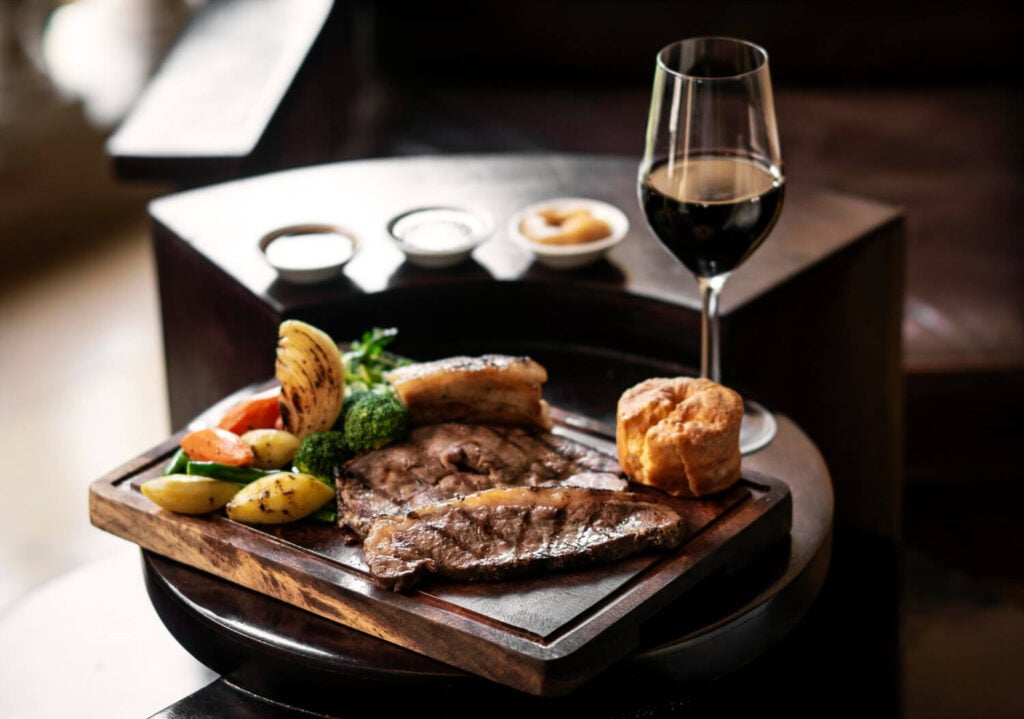
Thicker steaks allow for better control during grilling.
When a steak is thick, heat takes longer to reach the center. This slower heat penetration gives cooks more time to develop a flavorful crust while maintaining a juicy interior.
Thin steaks, on the other hand, cook quickly and offer less margin for error. They can easily become overcooked before a proper sear forms.
Key differences include:
• Thick steaks provide better doneness control
• Thin steaks cook faster but require more precision
• Thick cuts allow more gradual temperature increase
• Thin cuts risk drying out more easily
This is why many premium steakhouses favor thicker cuts for consistent results.
Flavor Development and Maillard Reaction
Steak flavor depends heavily on the Maillard reaction, which occurs when the surface of the meat caramelizes under high heat.
Thicker steaks create ideal conditions for this reaction because:
• The exterior can develop a deeper crust
• The interior remains tender and juicy
• Seasoning has more time to interact with heat
• Smoke and grill flavors penetrate gradually
Thin steaks may brown quickly but often lack the contrast between crispy exterior and juicy center that defines a premium steak experience.
Juiciness and Moisture Retention
Thickness plays a major role in how well a steak retains moisture.
Thicker cuts hold juices more effectively because the internal structure remains insulated during cooking. As heat moves slowly inward, less moisture escapes.
Thin steaks lose moisture faster, especially if cooked beyond medium. This can lead to:
• Firmer texture
• Reduced flavor intensity
• Less satisfying bite
• Shorter optimal serving window
Serving steak at the right thickness helps maintain tenderness and juiciness.
Precision in Doneness Levels
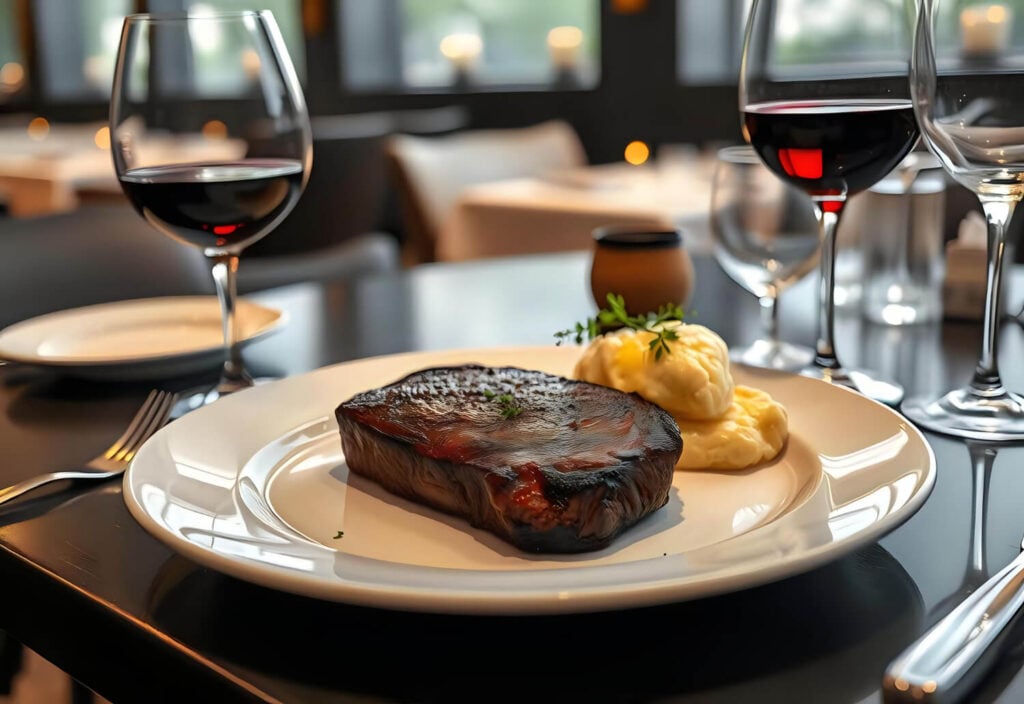
Achieving accurate doneness levels is easier with thicker steaks.
With more internal volume, cooks can manage temperature transitions between rare, medium, and well-done more precisely. This makes it easier to deliver consistent results.
Thin steaks tend to jump quickly from rare to well-done, leaving little room for adjustment.
At BR77, guests selecting cuts directly from the grill benefit from precise timing. Choosing steak at peak readiness ensures that thickness advantages translate into better flavor and texture.
Texture and Bite Experience
Texture is closely tied to thickness.
Thicker steaks often provide:
• More tender interior
• Balanced chew
• Clear contrast between crust and center
• More satisfying mouthfeel
Thin steaks may feel uniformly firm, lacking the layered texture that defines premium grilled meat.
This contrast is part of what makes steakhouse dining memorable.
Resting Time and Thickness Relationship
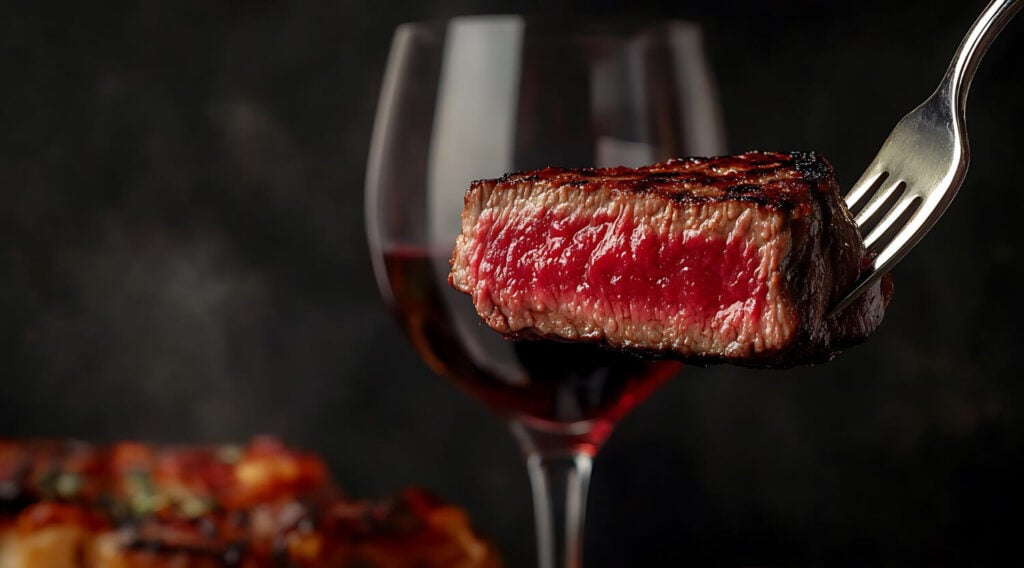
Resting steak after grilling allows juices to redistribute.
Thicker steaks benefit more from resting because:
• Internal juices have more space to settle
• Temperature evens out gradually
• Texture becomes more consistent
Thin steaks cool quickly and have limited benefit from extended resting, which can reduce their serving quality window.
By allowing guests to choose freshly grilled portions, BR77 helps ensure that steak thickness and timing align for optimal results.
Conclusion
Steak thickness significantly influences flavor, juiciness, and cooking precision. Thicker cuts allow better heat control, deeper flavor development, and more consistent doneness, while thinner cuts require careful timing to avoid overcooking.
Through fresh grilling and guest-controlled selection, BR77 Steakhouse preserves the advantages of properly prepared steak thickness. This approach enhances both texture and taste, creating a more refined dining experience.
In premium steakhouses, thickness is not just a detail. It is a key ingredient in delivering quality.
Discover More Flavor with BR77 Steakhouse
Discover More Flavor with BR77 Steakhouse
Discover More Flavor with BR77 Steakhouse
Keep exploring our exclusive insights into Brazilian-style dining, grilling traditions and the unique flavors that make BR77 Steakhouse a true experience. Dive deeper into our blog and elevate your next visit.
Why are thicker steaks usually more flavorful?
Because they allow better crust development while keeping the interior juicy and tender.
Are thin steaks harder to cook properly?
Yes. They cook quickly and can easily become overdone without precise timing.
Does steak thickness affect tenderness?
Yes. Thicker steaks typically retain more moisture, resulting in a softer and more satisfying texture.