The Relationship Between Heat and Caramelization in Grilling
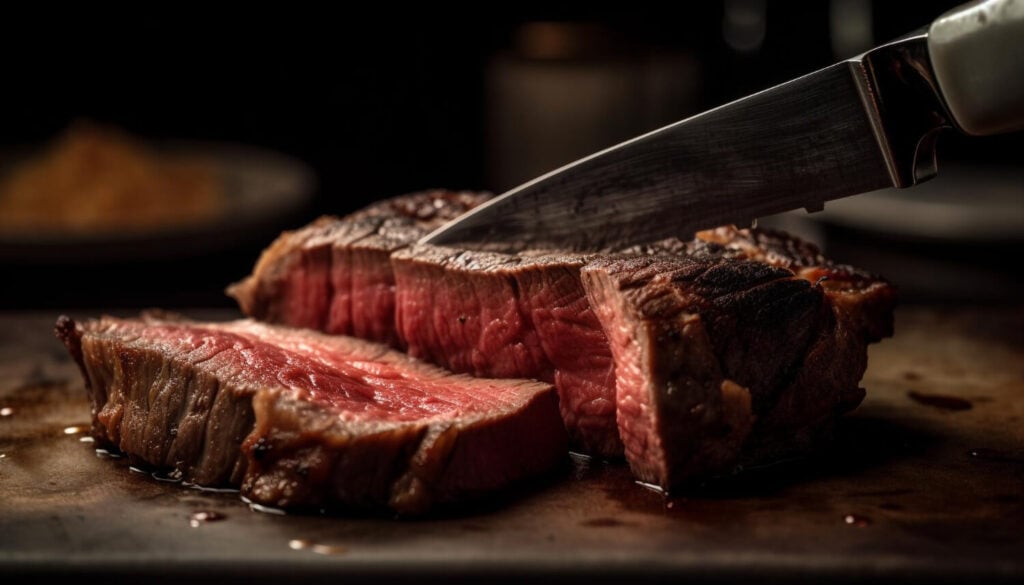
One of the most recognizable features of a perfectly grilled steak is its flavorful crust.
That deep brown exterior is created through the interaction between heat and caramelization processes during cooking. In premium steakhouses, mastering this relationship is essential for developing flavor, texture, and aroma without overcooking the meat.
Professional grill techniques rely on carefully controlled heat to create a balance between a crisp exterior and a juicy interior. At BR77 Steakhouse, the open grill setup allows skilled preparation methods that highlight these flavor-building reactions while serving steaks at peak freshness.
Understanding how heat influences caramelization in grilling explains why proper grilling technique transforms steak into a premium dining experience.
What You Need to Know
What Is Caramelization in Grilling
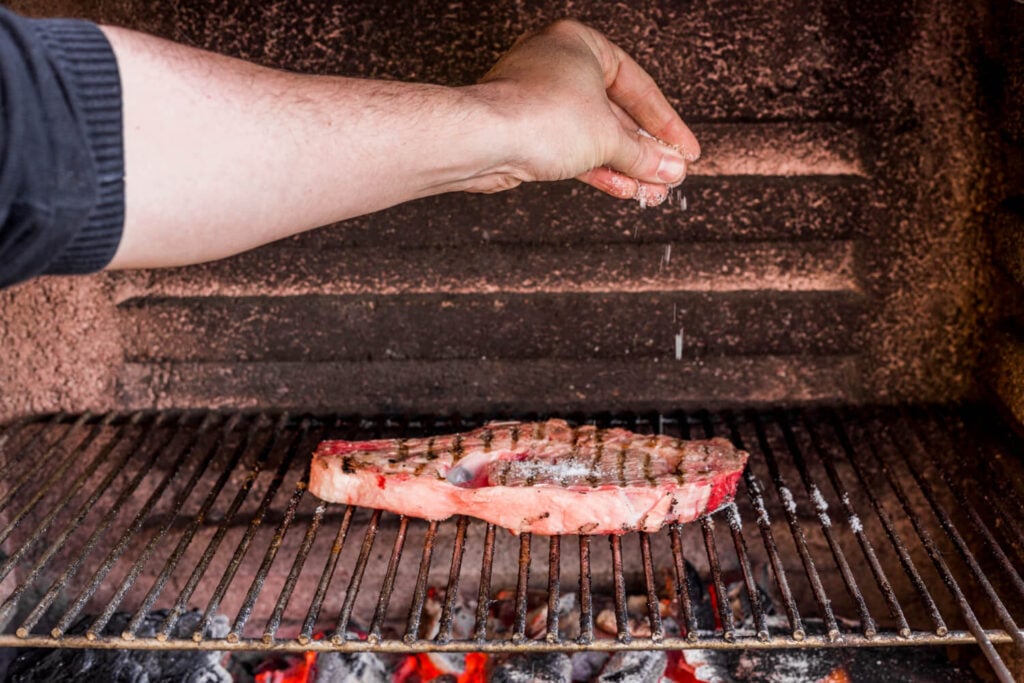
Caramelization occurs when natural sugars are exposed to heat.
During grilling, these sugars break down and develop deeper flavors and darker color. In steak preparation, caramelization contributes to:
• Rich savory notes
• Slight sweetness
• Golden-brown coloration
• Enhanced aroma
Although often discussed alongside the Maillard reaction, caramelization specifically focuses on sugar transformation caused by heat. Both processes work together during grilling.
The Role of High Heat
High heat is essential for proper crust development.
When the grill surface reaches the right temperature, the steak quickly develops a browned exterior while retaining moisture inside.
Benefits of controlled high heat include:
• Faster surface browning
• Improved texture contrast
• Enhanced flavor concentration
• Better visual appeal Without enough heat, the steak may cook slowly and lose moisture before a proper crust forms.
Balancing Heat to Avoid Burning
Too much heat can become a problem.
If temperatures are excessive or poorly managed:
• Sugars may burn instead of caramelizing
• Bitterness can develop
• Exterior texture may become harsh
• Internal doneness may become uneven
Professional grill masters carefully control heat zones to achieve caramelization without damaging flavor.
At BR77 Steakhouse, this precision helps maintain both texture and consistency.
Caramelization and Steak Flavor Layers
Caramelization adds depth to flavor.
The browned crust created during grilling introduces complex notes that contrast with the juicy interior of the steak. This layered effect enhances the dining experience.
Flavor benefits include:
• Richer savory character
• Slight smoky sweetness
• Enhanced aroma
• Stronger overall flavor intensity
This complexity is one reason expertly grilled steak feels more satisfying.
Heat Distribution and Even Browning
Caramelization depends on even heat exposure.
Uneven heat can create inconsistent browning, leaving some areas underdeveloped while others burn. Proper heat distribution ensures:
• Uniform crust formation
• Balanced texture
• Consistent appearance
• Predictable flavor development
Skilled grill techniques help maintain this balance across different cuts.
Timing and the Perfect Moment
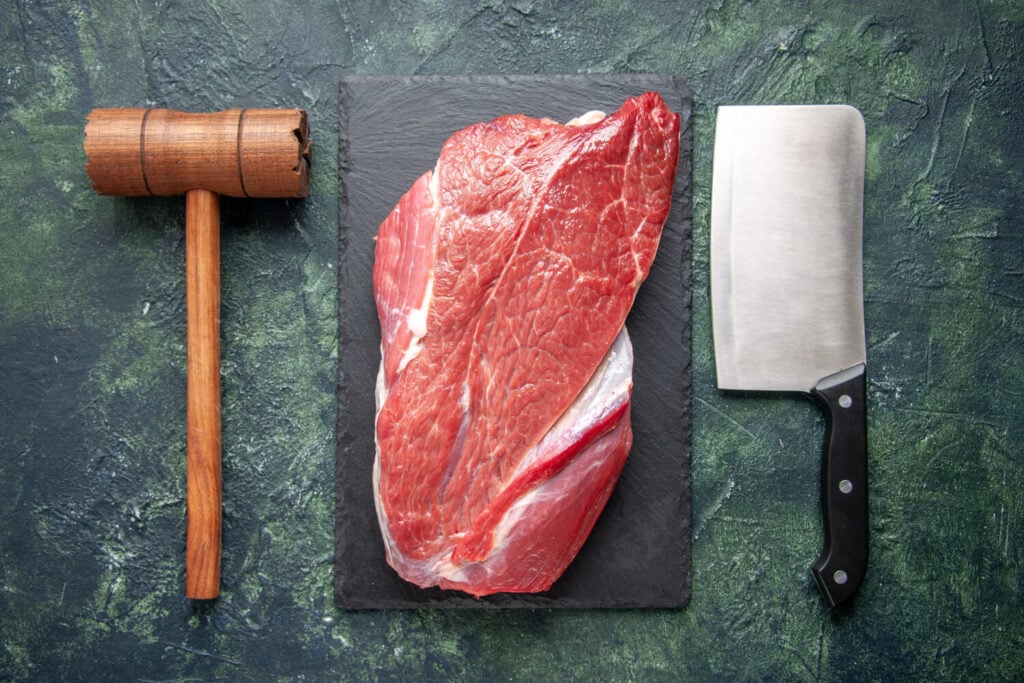
Timing is closely tied to caramelization.
The steak must remain on the grill long enough to develop flavor without losing juiciness. This requires careful observation of:
• Surface color
• Heat intensity
• Steak thickness
• Internal temperature
At BR77, guests selecting cuts directly from the grill benefit from steaks served immediately after reaching optimal caramelization.
Fresh timing preserves texture and flavor.
Visual and Sensory Appeal
Caramelization affects more than taste.
The browned crust also contributes to:
• Appetizing appearance
• Grilled aroma
• Crisp surface texture
• Perception of quality
Guests often associate a properly caramelized steak with premium preparation standards.
At BR77, the visible grilling process reinforces this sensory experience.
Conclusion
The relationship between heat and caramelization is one of the foundations of great grilling. Proper heat control allows natural sugars and proteins to develop the rich crust, aroma, and flavor that define premium steakhouse cooking.
At BR77 Steakhouse, precise grilling techniques and fresh serving timing help preserve these qualities, creating steaks that are both visually appealing and deeply flavorful. This balance between heat and control elevates the entire dining experience. In premium grilling, caramelization is where science and flavor meet.
Discover More Flavor with BR77 Steakhouse
Discover More Flavor with BR77 Steakhouse
Discover More Flavor with BR77 Steakhouse
Keep exploring our exclusive insights into Brazilian-style dining, grilling traditions and the unique flavors that make BR77 Steakhouse a true experience. Dive deeper into our blog and elevate your next visit.
What is caramelization in grilling?
It is the process where natural sugars react to heat, creating browning and deeper flavor.
Why is high heat important for steak?
High heat helps create a flavorful crust while preserving juiciness inside.
Can too much heat ruin caramelization?
Yes. Excessive heat can burn the surface and create bitterness.