How Dining Pace Influences Satisfaction in Multi-Course Experiences
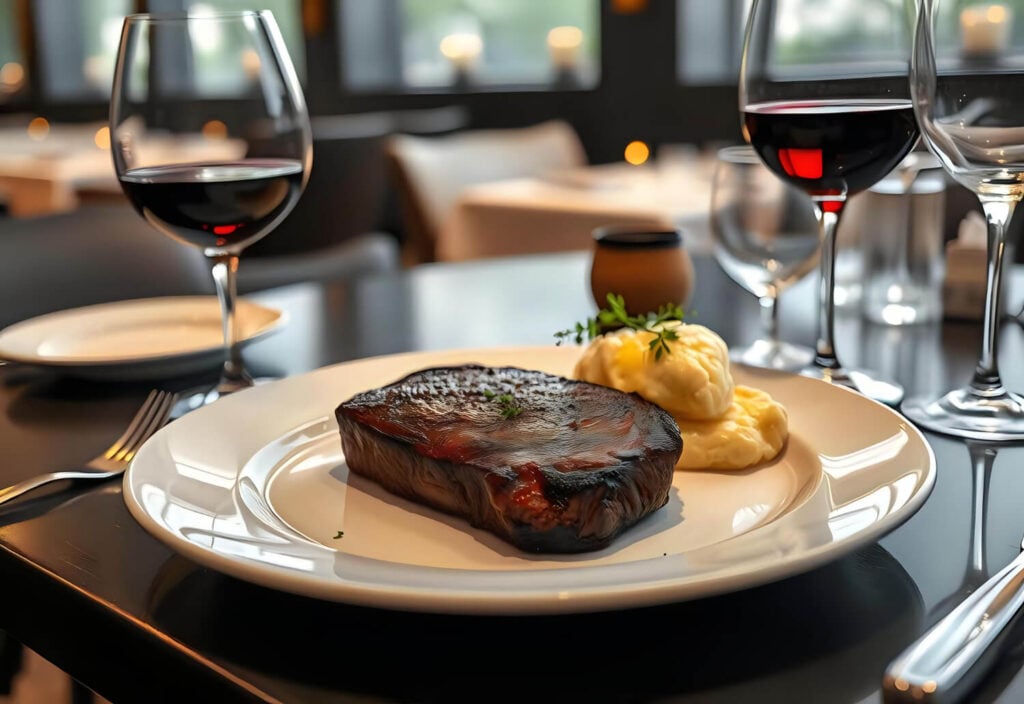
Dining Pace
In multi-course dining, timing is just as important as the food itself.
The pace at which each course is served influences how flavors are perceived, how comfortable guests feel, and how memorable the experience becomes. When pacing is too fast, diners feel rushed. When it is too slow, engagement can fade.
Premium steakhouses carefully manage the rhythm of service to maintain balance. At BR77 Steakhouse, the guest-controlled approach to selecting dishes from the buffet and grill allows for a personalized pace that adapts to individual preferences.
Understanding how dining pace impacts satisfaction helps explain why timing is a key element of hospitality.
What You Need to Know
The Role of Pace in Flavor Perception
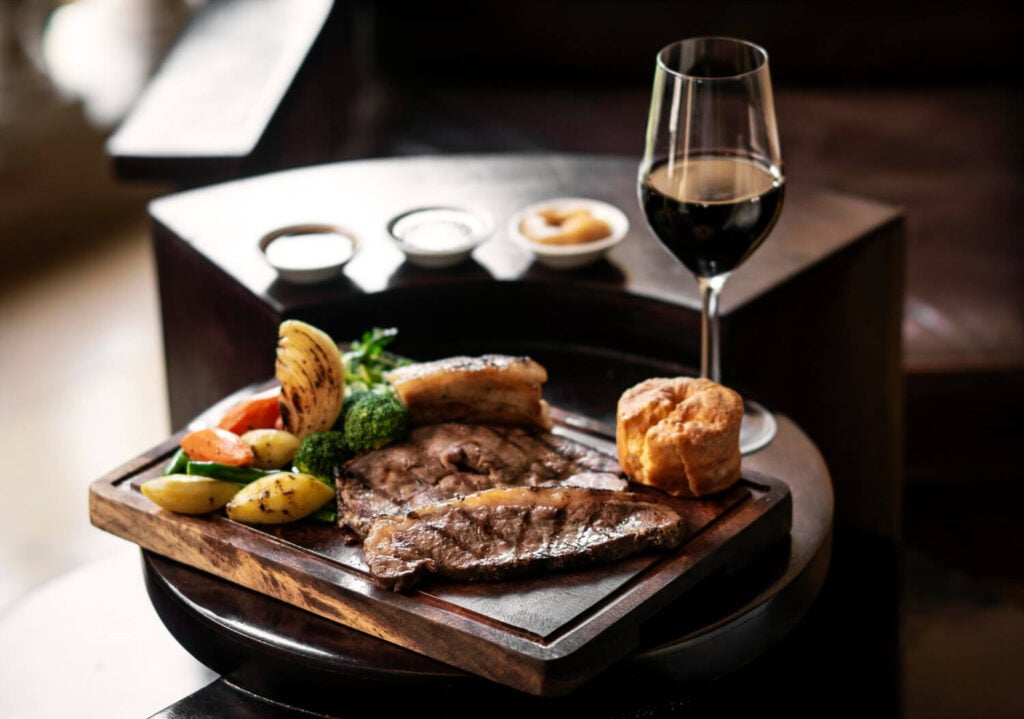
Flavor is not experienced all at once.
Spacing between courses allows the palate to reset, making each dish more distinct and enjoyable. When courses arrive too quickly, flavors can overlap, reducing clarity.
Proper pacing supports:
• Better taste recognition
• Increased enjoyment of each course
• Reduced sensory fatigue
• Stronger overall impression
A well-timed sequence enhances the dining experience.
Appetite Management Throughout the Meal
Dining pace directly affects appetite.
Fast service can lead to overeating or discomfort, while slow service may reduce hunger and excitement. Balanced timing helps maintain appetite from start to finish.
In multi-course experiences, this means:
• Starting with lighter portions
• Gradually increasing richness
• Allowing time between servings
• Ending with a comfortable level of fullness At BR77, guests naturally manage appetite by choosing when to return to the buffet or grill.
Emotional Comfort and Relaxation
Pacing also influences how relaxed guests feel.
When diners control their rhythm, they are more likely to:
• Enjoy conversations
• Feel less pressured
• Stay engaged longer
• Associate the experience with comfort
A rushed meal can feel transactional, while a well-paced one feels intentional.
The BR77 model reduces interruptions by allowing guests to initiate their next course, creating a calmer environment.
Preventing Sensory Overload
Multi-course meals involve multiple flavors, textures, and temperatures.
Without proper pacing, this variety can become overwhelming. Spacing between courses helps diners process each element and remain engaged.
Balanced pacing prevents:
• Flavor fatigue
• Loss of appetite
• Reduced enjoyment
• Mental overload
This is especially important in steakhouse settings with rich, protein-heavy dishes.
Flexibility Improves Satisfaction
Not all guests prefer the same pace.
Some enjoy a slow, social meal, while others prefer a more efficient experience. Flexibility allows restaurants to meet different expectations.
At BR77, the combination of buffet access and grill selection creates a self-directed flow where guests can:
• Pause between courses
• Return for additional portions when ready
• Adjust pace based on mood
• Balance lighter and heavier dishes
This adaptability enhances satisfaction.
Timing and Service Efficiency
From an operational perspective, pacing also affects service quality.
A well-managed dining rhythm helps:
• Reduce kitchen congestion
• Maintain food freshness
• Improve staff coordination
• Ensure consistent quality Guest-controlled pacing at BR77 supports a steady flow, even during busy periods.
Conclusion
Dining pace is a critical factor in multi-course satisfaction. It influences flavor perception, appetite, comfort, and overall enjoyment. When timing is balanced, the experience feels natural and memorable.
By allowing guests to control their own rhythm through buffet and grill interaction, BR77 Steakhouse creates a flexible and refined dining flow. This approach enhances both comfort and quality.
In premium dining, pacing is not just about timing. It is part of the experience itself.
Discover More Flavor with BR77 Steakhouse
Discover More Flavor with BR77 Steakhouse
Discover More Flavor with BR77 Steakhouse
Keep exploring our exclusive insights into Brazilian-style dining, grilling traditions and the unique flavors that make BR77 Steakhouse a true experience. Dive deeper into our blog and elevate your next visit.
Why is pacing important in multi-course meals?
It helps maintain appetite, enhances flavor perception, and improves overall comfort.
Can fast service reduce enjoyment?
Yes. It can lead to sensory overload and a rushed experience.
What happens if service is too slow?
Guests may lose appetite and engagement during the meal.